
Transform Your Operations with Real-Time Tracking Solutions
In today’s fast-moving world, businesses face constant pressure to deliver faster, reduce costs, and improve customer satisfaction. One way to meet these demands is by adopting real-time tracking solutions. These tools provide instant visibility into operations, allowing companies to respond quickly and make smarter decisions. This post explores how real-time tracking can transform your operations, offering practical insights and examples to help you get started.
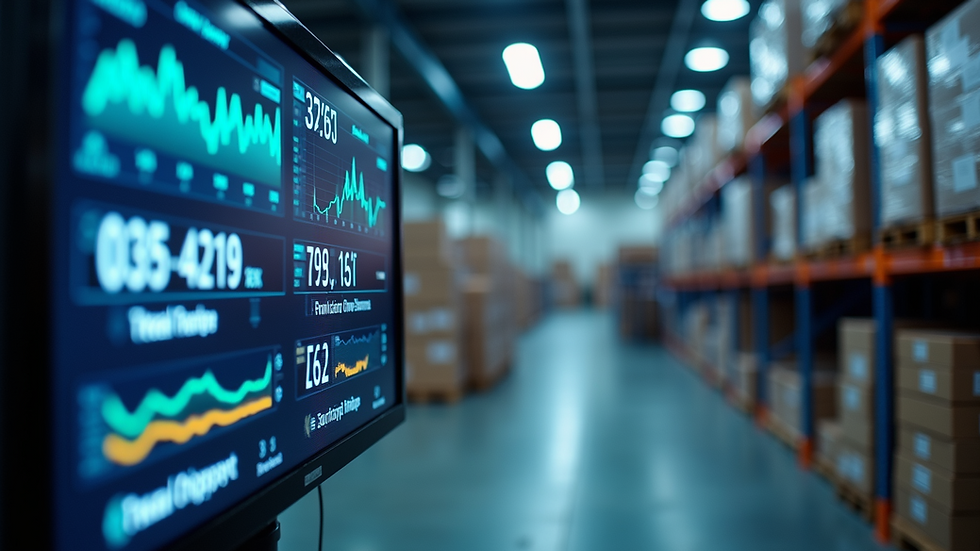
What Real-Time Tracking Means for Your Business
Real-time tracking refers to the continuous monitoring of assets, shipments, or processes as they happen. Unlike traditional tracking methods that rely on periodic updates, real-time systems provide immediate data through GPS, RFID, sensors, or software platforms. This instant access to information helps businesses:
Monitor the location and status of goods or equipment
Detect delays or issues early
Improve communication across teams
Make data-driven decisions quickly
For example, a logistics company can track delivery trucks in real time to reroute drivers around traffic jams, reducing late deliveries and fuel costs.
Key Benefits of Real-Time Tracking Solutions
Implementing real-time tracking brings several advantages that directly impact your bottom line and customer experience.
Increased Efficiency
Knowing the exact location and condition of assets allows teams to plan better and avoid unnecessary delays. For instance, manufacturing plants can track raw materials as they move through production lines, ensuring smooth workflows and reducing downtime.
Enhanced Customer Satisfaction
Customers expect transparency and timely updates. Real-time tracking enables businesses to provide accurate delivery times and proactive notifications. A retailer using live shipment tracking can inform customers when their orders are out for delivery, improving trust and reducing support calls.
Cost Savings
By identifying bottlenecks and inefficiencies early, companies can reduce waste and optimize resource use. For example, fleet managers can monitor vehicle routes and fuel consumption, cutting unnecessary mileage and maintenance costs.
Better Risk Management
Real-time alerts help detect problems such as theft, damage, or delays immediately. This quick response minimizes losses and protects assets. Cold chain logistics companies use temperature sensors to ensure perishable goods stay within safe ranges during transit.
How to Choose the Right Real-Time Tracking Solution
Selecting the best tracking system depends on your specific needs and operations. Consider these factors:
Type of assets or processes to track: Vehicles, inventory, equipment, or production stages
Technology compatibility: GPS, RFID, IoT sensors, or software platforms
Integration with existing systems: ERP, warehouse management, or customer service tools
Scalability: Ability to grow with your business
User-friendliness: Easy access to data for all relevant teams
Cost and return on investment: Balance between upfront expenses and long-term savings
For example, a small delivery company might start with GPS tracking for vehicles, while a large manufacturer may need a combination of RFID tags and IoT sensors for inventory and equipment monitoring.
Practical Steps to Implement Real-Time Tracking
Introducing real-time tracking requires careful planning and execution. Here’s a step-by-step approach:
1. Define Your Goals
Identify what you want to achieve, such as reducing delivery times, improving inventory accuracy, or enhancing equipment maintenance.
2. Map Your Processes
Understand where tracking can add value. Look for points where delays or errors occur frequently.
3. Select Technology and Vendors
Research available solutions and choose those that fit your requirements and budget.
4. Pilot the System
Test the tracking solution on a small scale to identify issues and gather feedback.
5. Train Your Team
Ensure employees understand how to use the system and interpret the data.
6. Roll Out and Monitor
Deploy the system across operations and continuously monitor performance to make improvements.
Real-World Examples of Real-Time Tracking Success
Logistics Company Cuts Delivery Delays
A regional courier service implemented GPS tracking on its fleet. By monitoring traffic conditions and driver locations in real time, dispatchers rerouted vehicles to avoid congestion. This change reduced late deliveries by 25% within six months.
Manufacturer Improves Inventory Management
A factory installed RFID tags on raw materials and finished goods. Real-time tracking helped staff locate items quickly and avoid stockouts. The company reported a 15% reduction in inventory holding costs and fewer production stoppages.
Food Distributor Maintains Cold Chain Integrity
A food distributor used temperature sensors connected to a real-time monitoring platform. Alerts triggered immediate action when temperatures rose above safe levels during transport. This system decreased spoilage rates by 30% and ensured compliance with safety regulations.
Overcoming Common Challenges
While real-time tracking offers many benefits, businesses may face obstacles such as:
Data overload: Too much information can overwhelm teams. Focus on key metrics and use dashboards to simplify data.
Integration issues: Ensure new tracking tools work smoothly with existing software.
Cost concerns: Start small and scale gradually to manage expenses.
Employee resistance: Communicate benefits clearly and provide training to encourage adoption.
Future Trends in Real-Time Tracking
Technology continues to evolve, making tracking more accessible and powerful. Emerging trends include:
Artificial intelligence: AI can analyze tracking data to predict delays or maintenance needs.
5G connectivity: Faster networks improve data transmission and system responsiveness.
Wearable devices: Employees can use wearables to share real-time status updates.
Blockchain: Enhances transparency and security in supply chains.
Staying informed about these developments can help your business maintain a competitive edge.
Real-time tracking solutions offer a clear path to improving operations, cutting costs, and enhancing customer satisfaction. By understanding your needs, choosing the right technology, and following a structured implementation plan, you can unlock the full potential of real-time data. Start exploring options today and watch your operations transform with greater visibility and control.


Comments